

We believe in Club members enjoying their walk in safety and comfort. But this can be a double-edged sword; if you are inadequately prepared for a given walk, you are a danger to others in your walking group as well as a danger to yourself.
For your own safety is essential to be properly equipped.
- In Case of Emergency Card: Carry it with you on all walks and ensure the information is up to date.
- Insulation: Fleece tops and jackets provide excellent insulation and are available in different weights to suit the time of year and the weather. A number of thin layers is generally better than one thick one.
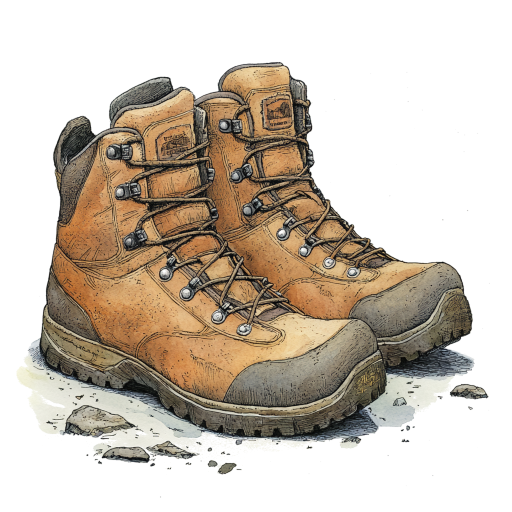
- Boots: Need to be comfortable yet robust, give support for the ankles and a sound grip with the ground. Modern composition soles with good tread are best for most conditions, e.g. Vibram or Contagrip.
- Socks: Loop pile thermal in winter, Coolmax in summer and, if you prefer, a thin lining sock. Nylon or cotton may cause discomfort.
- Gaiters: Strongly recommended for rough terrain, especially when it is wet or snowing.
- Trousers: Jeans are hot in warm weather and a positive hypothermia killer in cold, wet weather. They should not be worn on walks. You should wear trousers that are windproof, that dry easily and are loose fitting, and comfortable.
- Thermal Underwear: These are strongly recommended in the winter months.
- Gloves/Mitts: Two pairs are better than one, again the layer principle. A waterproof pair or waterproof overgloves are necessary for wet weather.
- Hats: 50%+ of body heat is lost through the head. Get a hat and have it with you on all walks – it can get surprisingly cold on the tops even on a hot summer’s day.
- Waterproofs: You should ensure that you are carrying/wearing outer shell garments (jacket and overtrousers) which are actually waterproof. Some of the weather we walk in has to be experienced to be believed. The last thing we need is a case of hypothermia due to a member’s lack of attention to suitable waterproof clothing, or worse, leaving them behind just because we have perhaps enjoyed a recent spell of good weather.
Waterproof jackets and overtrousers are also useful windproof garments, which help reduce the wind-chill factor.
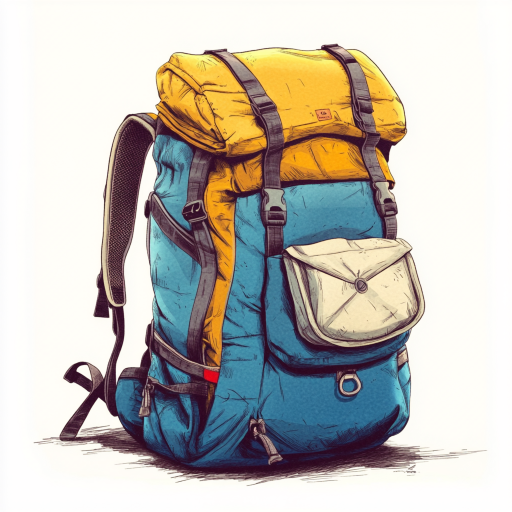
- Rucksacks: A daysack which is large enough to contain all your gear for the day’s walk.
Remember to put a large, heavy gauge polythene bag in it to help act as a waterproof liner. (These can be obtained custom made). - Maps: It is a good idea for each member to carry a map of the area for the walk on that day, ideally in a waterproof see-through cover. Laminated maps are also available for some areas.
Part of the enjoyment of any walk is to relate what is seen “on the ground” with the way it is represented on the map; an active interest in map reading is worth cultivating. It could someday save a life – perhaps your own! - Compass: You should carry one and know how to use it. The protractor type, like the Silva compass, is invaluable used in conjunction with the map. Some members carry a GPS device (such as those made by Garmin) which is a very useful navigational device. Mobile phones are also frequently used (e.g. in conjunction with online OS Maps), but phones should never be solely relied on for navigation due to issues with battery life, the availability of an internet connection and robustness.
- Apps: Members are recommended to install the what3words app which is an easy way to communicate your exact location.
- Whistle: A must! The emergency procedure when in distress is six blasts per minute followed by a minute’s silence. Repeat even after you hear a response – which is three blasts during your minute’s silence – until visual contact is clearly made.
- Food: Adequate for the day, high in carbohydrates for readily available energy. Emergency rations, like Mars bars, will be additional to your day’s rations.
- Liquids: De-hydration is the problem on any day walk or longer. Carry a hot drink in a flask for cold weather and plenty of water – flavoured or plain, for hot weather.
First Aid Kit: In addition to some plasters for blisters, a minimum kit will contain painkillers like Paracetamol and at least one large wound dressing (a sterile pad attached to a bandage). We all carry something extra that we, as individuals consider necessary in our personal or group first-aid kit. - Watch: Vital! Do check that it is in good working condition with a secure strap or chain. It should preferably be waterproof and have a backlight.
- Spare Clothing: At least one spare top, along with a hat, and gloves, scarf etc.
- Torch: Absolutely essential – never leave home without one! You should carry spare fresh batteries and a spare bulb if applicable, although most modern torches use LEDs . Check the condition of your torch regularly.
- Bivvy Bag: A large adequate Bivvy Bag in heavy gauge polythene is essential. Bin bags are useless, as they give no protection against cold, wet or windy weather. Proper Bivvy bags do offer considerable protection from the elements in the event of an emergency and can be lifesavers.
- Space Blanket: Light in weight, occupies very little space and can be useful in cases of hypothermia when used in conjunction with a Bivvy Bag. Keep it with your first-aid kit.
- Personal Hygiene: A small packet of paper hankies can come in very handy!
- Pen and Paper: For emergency notes etc.
- Change of Clothes: You should bring dry, comfortable, and preferably warm clothing and a change of footwear for the evening. This is normally left on the bus during the walk.
Follow the Safety Code: Be safe on the fells. Be dressed for the day and the walk. Carry the minimum weight consisting of the maximum items for your personal safety and comfort.
